
How to Sell Inherited Coin Collections for Top Dollar
Inherited a coin collection? Learn how to organize, document, and sell your coins for top market value with trusted Scottsdale appraisers.
[ Read Article → ]Discover how to maximize the value of your coin collection. Learn where to sell coins, what affects their value, and how to get a professional coin appraisal.
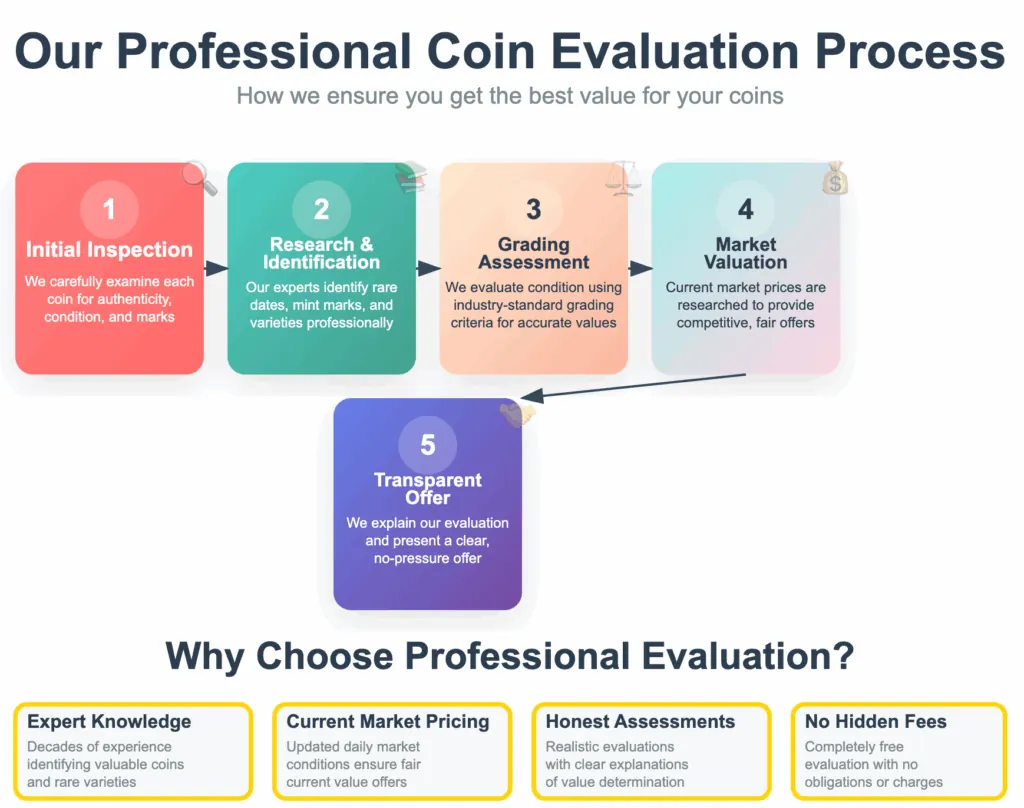
Whether you’ve inherited a coin collection, found old coins in your attic, or are a seasoned collector looking to sell, knowing where and how to sell coins can make the difference between getting pennies on the dollar or receiving fair market value. As experienced coin buyers and specialists, we’ve created this comprehensive guide to help you navigate the coin selling process successfully.
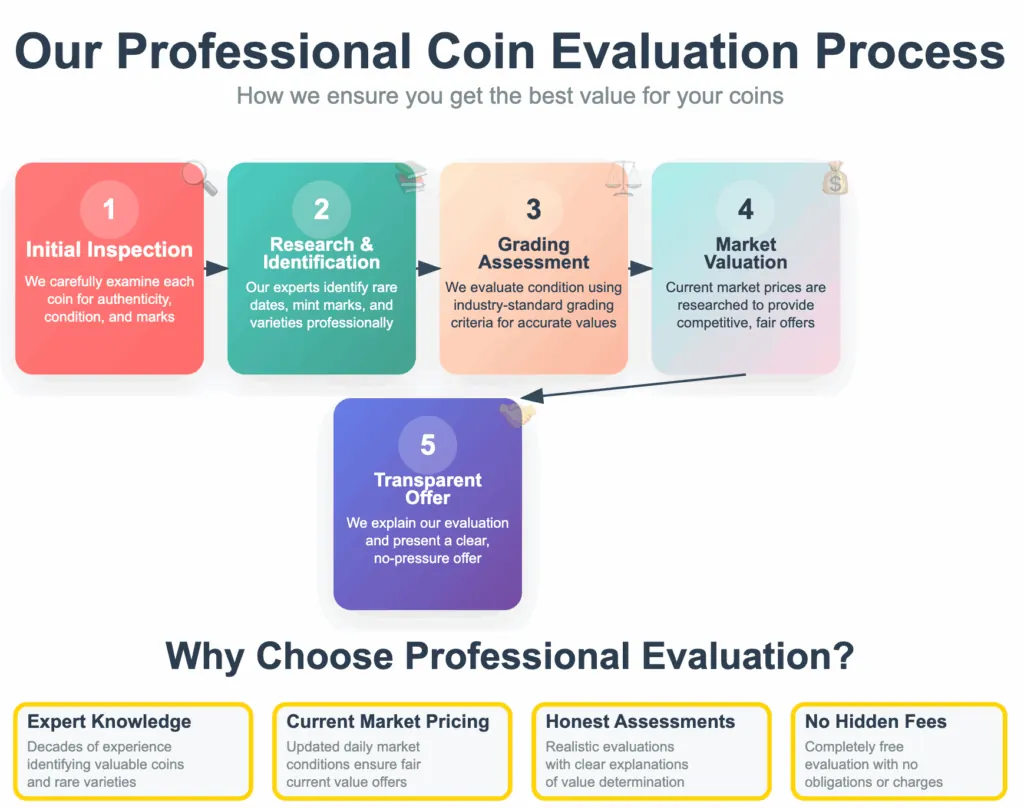
Before approaching any coin buyer, it’s crucial to understand what you have. Not all coins are created equal, and some may be worth significantly more than their face value.
Silver Coins’: Many coins minted before 1965 contain 90% silver, including:
Gold Coins’: Including American Gold Eagles, Saint-Gaudens Double Eagles, and Indian Head gold coins, these typically command premium prices based on gold content plus numismatic value.
Rare and Error Coins’: Coins’ with minting errors, low mintage numbers, or historical significance can be worth thousands of dollars to the right collector.
Foreign and Antique Coins’: International coins, especially those from precious metals or with historical significance, often have collector value beyond their metal content.
Working with an established coin dealer is often your best option for valuable collections. Professional dealers offer several advantages:
When choosing a coin dealer, look for:
Local Coin Shops offer convenience and the ability to build relationships, but they may have limited expertise in certain specialties or less competitive pricing for high-value pieces.
Specialized Coin Buyers often provide:
While online auctions can yield high prices for rare coins, they require:
Most reputable coin buyers offer free initial evaluations for coins you’re considering selling. However, for insurance purposes or estate planning, you may need a formal appraisal from a certified coin appraiser.
Free Evaluations Include:
Formal Appraisals Provide:
Several factors determine how much coin buyers will pay:
Condition (Grade): The physical state of your coin dramatically affects value. Even small differences in condition can mean hundreds or thousands of dollars in value difference for rare coins.
Rarity: How many of your coin were minted and how many survive today directly impacts value.
Metal Content: For silver and gold coins, the precious metal value provides a baseline, with numismatic premium added on top.
Market Demand: Popular coin series or those experiencing collector interest spikes command higher prices.
Authentication: Coins’ certified by professional grading services (PCGS, NGC) typically bring higher prices than raw coins.
The coin market experiences fluctuations based on:
Do:
Don’t:
Be wary of buyers who:
Silver coins are among the most commonly sold coins due to their precious metal content. Morgan Silver Dollars and Peace Silver Dollars are particularly popular with both investors and collectors.
Current Market Factors:
Gold coins typically represent significant value and require careful evaluation. American Gold Eagles, Saint-Gaudens Double Eagles, and foreign gold coins all have different market dynamics.
High-value rare coins often require specialized knowledge and may benefit from professional authentication before sale. Consider professional grading for coins potentially worth over $500.
Located in the Phoenix/Scottsdale area, Lone Mountain Coin serves Arizona collectors and investors with professional coin buying services. Our experienced team specializes in:
Q: Should I get my coins graded before selling?
A: For coins potentially worth over $500, professional grading can increase sale value. For common coins or those in poor condition, grading costs may exceed the benefit.
Q: How do I know if my coins are authentic?
A: Experienced coin buyers can quickly identify most counterfeits. For high-value pieces, consider authentication through professional grading services.
Q: What’s the difference between coin dealers and coin buyers?
A: Many professionals are both buyers and dealers. The key is working with someone who offers fair pricing and has expertise in your specific coin types.
Q: Can I sell just a few coins, or do you only buy collections?
A: Most professional coin buyers will evaluate anything from single coins to massive collections. There’s typically no minimum requirement.
Q: How quickly can I get paid for my coins?
A: Reputable coin buyers can often provide immediate payment for straightforward transactions. Complex collections may require additional evaluation time.
Selling coins successfully requires preparation, research, and working with the right buyer. Whether you’re selling inherited coins, liquidating a collection, or disposing of a few pieces, taking time to understand your options will ensure you receive fair value.
Remember that the highest offer isn’t always the best choice – consider the buyer’s reputation, expertise, and how comfortable you feel with their evaluation process. A professional coin buyer who takes time to educate you about your coins and explain their pricing is often worth more than someone offering a quick, high number without explanation.
For Phoenix and Scottsdale area residents, Lone Mountain Coin offers the expertise, fair pricing, and professional service you need for a successful coin selling experience. Contact us today for a free, no-obligation evaluation of your coins.
Ready to sell your coins? Contact Lone Mountain Coin for a professional evaluation and competitive offer. Our experienced team is here to help you get the best value for your collection.
Inherited a coin collection? Learn how to organize, document, and sell your coins for top market value with trusted Scottsdale appraisers.
[ Read Article → ]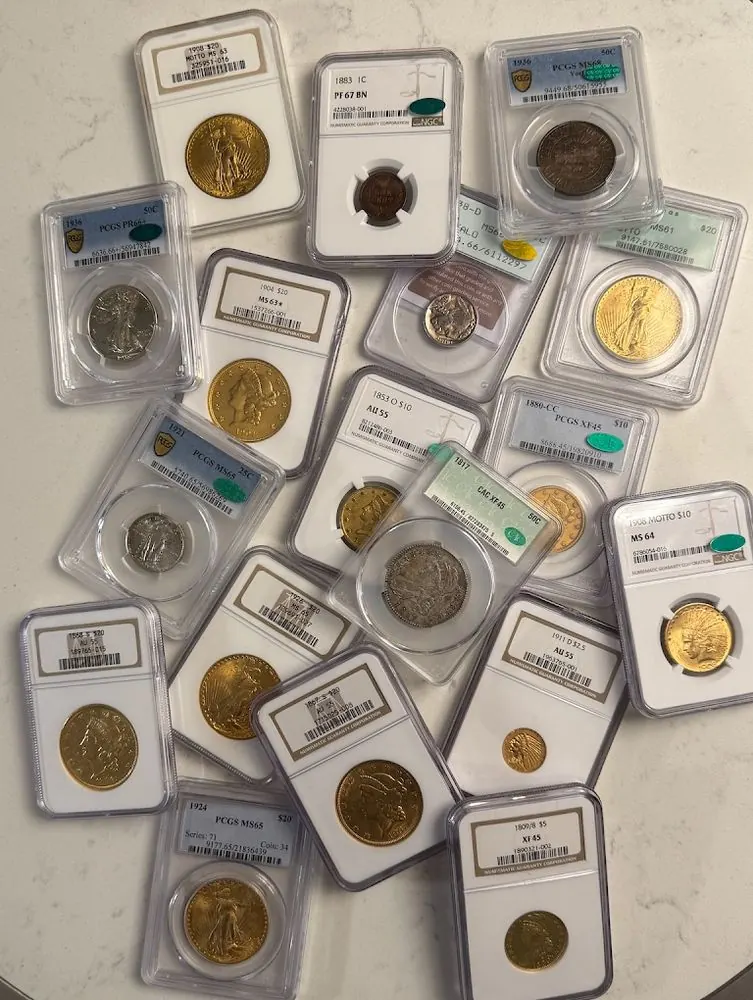
Looking for a premier coin dealer in Scottsdale and Phoenix? Learn how we buy and evaluate rare coin collections, gold, silver, and estates.
[ Read Article → ]
Looking to sell silver coins in Scottsdale, Phoenix, or Tucson? Lone Mountain Coin offers competitive buy prices for 90% silver, bullion, and collectibles.
[ Read Article → ]