
How We Value Old Paper Currency
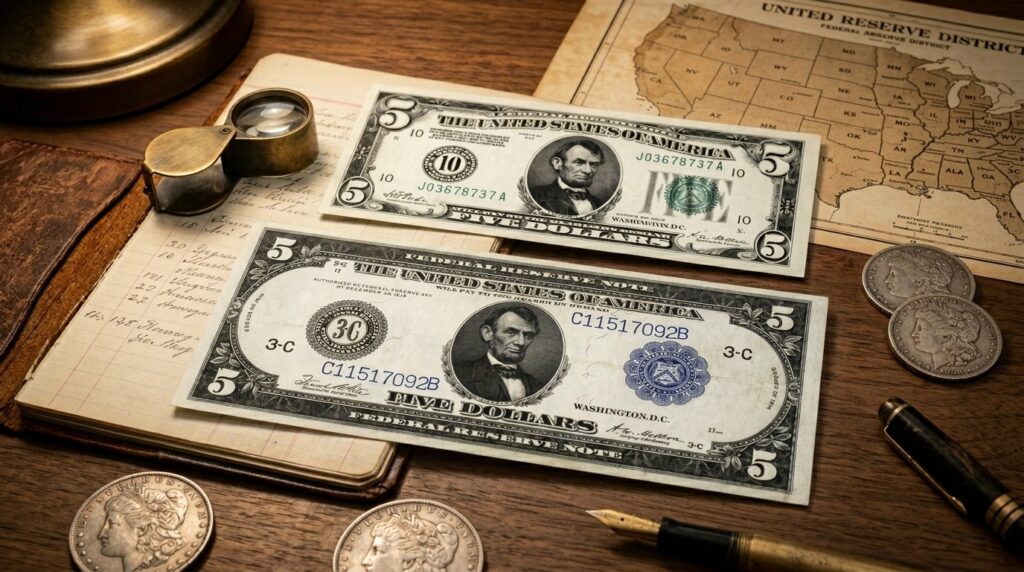
When you bring a stack of old banknotes to our counter, we aren’t just looking at the printed numbers—we are looking at a piece of American history. Paper money is incredibly delicate, and valuing it is an intricate art. We sit down with you and explain exactly what you hold, showing you how we determine the true market value of your historical currency.
Step 1: Evaluating the “Horse Blankets”
If you have bills printed between 1861 and 1928, you likely have what collectors affectionately call “horse blankets.” These Large Size Notes are essentially miniature canvases.
- The Cataloging: To get you the most accurate price, we identify the exact Friedberg catalog numbers to pinpoint precise printing rarities and historical significance.
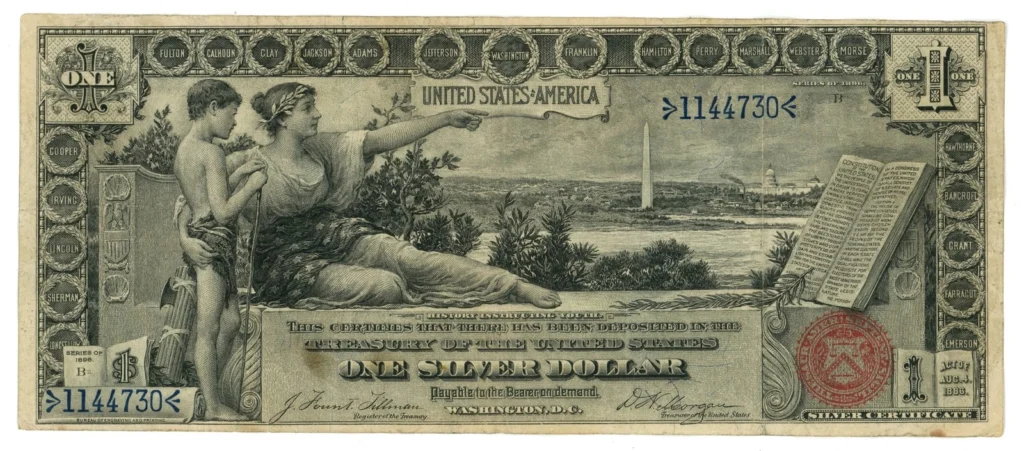
- The Art & History: We look for intricate, breathtaking engravings—like those found on the highly sought-after Educational Note series of 1896.
Step 2: High Denominations & Specialty Paper
For modern-sized bills, known as Small Size Notes (printed from 1928 onward), the value shifts from the size of the canvas to the rarity of the print.
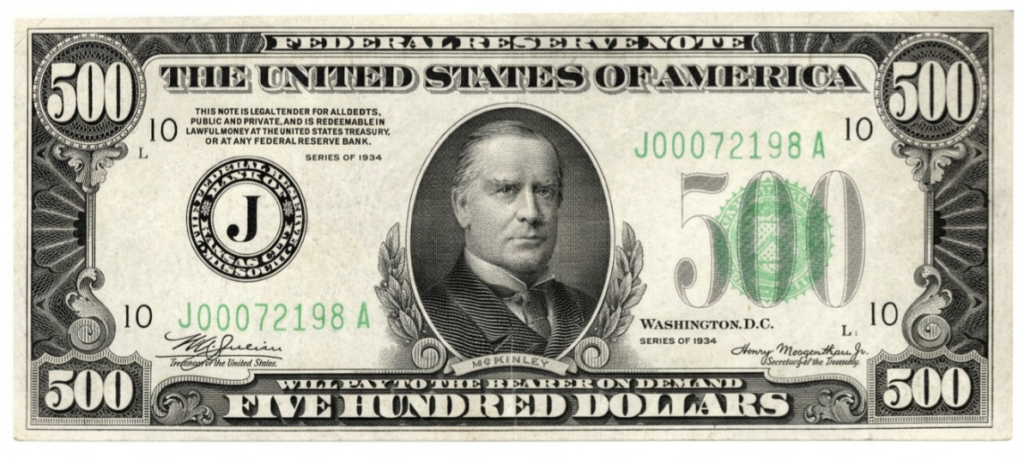
- High Denominations: We actively acquire elusive $500 and $1000 bills, which carry massive premiums well beyond their face value.
- Historical Backing: We carefully evaluate Gold Certificates (with their brilliant orange-gold seals) and Silver Certificates, which used to represent physical metals held in the Treasury.
- Hometown History: If you have National Bank Notes, we check the specific town of issuance and the bank’s charter number to see how many still survive today.
Step 3: Fractional Notes & The “Condition” Rule
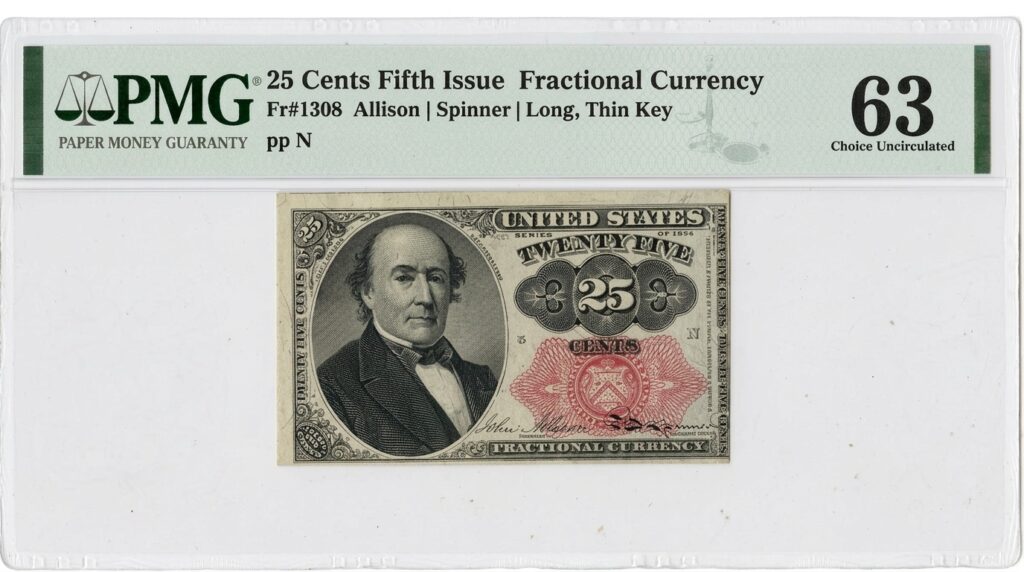
Whether you have a massive $1,000 bill or Civil War-era Fractional Currency (small paper notes ranging from 3 to 50 cents), the ultimate king of paper money is condition.
- Do not iron or press them: We want your notes exactly as they are. Altering paper fibers ruins their collector appeal.
- Professional Grading: We assess folds, margins, and crispness against professional PMG (Paper Money Guaranty) grading standards. We rely on these industry benchmarks because a well-preserved, highly graded note will drastically maximize your final payout.
Ready to find out what your old currency is worth?
Skip the guesswork and bring your collection in for a transparent, zero-pressure cash offer today.
Questions? We’re here to help!
What kinds of old paper currency do you evaluate?
We evaluate many types of collectible U.S. paper money, including large size notes, silver certificates, gold certificates, national bank notes, older Federal Reserve notes, star notes, and other bills with collectible value.
What factors make old paper money valuable?
Value depends on several factors, including denomination, series, issuing bank or district, rarity, condition, signatures, serial number appeal, and overall collector demand. Even notes with the same face value can vary dramatically in market value depending on these details.
Does condition matter when valuing paper currency?
Yes. Condition is one of the most important factors in paper money appraisal. Folds, tears, stains, pinholes, trimming, repairs, and overall crispness can all affect value, while well-preserved original notes often bring stronger premiums.
Are star notes or unusual serial numbers worth more?
They can be. Star notes, low serial numbers, repeating digits, ladders, radars, and other collectible serial number patterns may carry premiums when they are desirable to collectors, especially if the note is also in strong condition.
Will I receive an offer the same day?
Yes. After we review your paper currency and determine its marketability, we can provide a transparent same-day offer with no pressure to sell.