
Our Process for Pricing Rare Coins
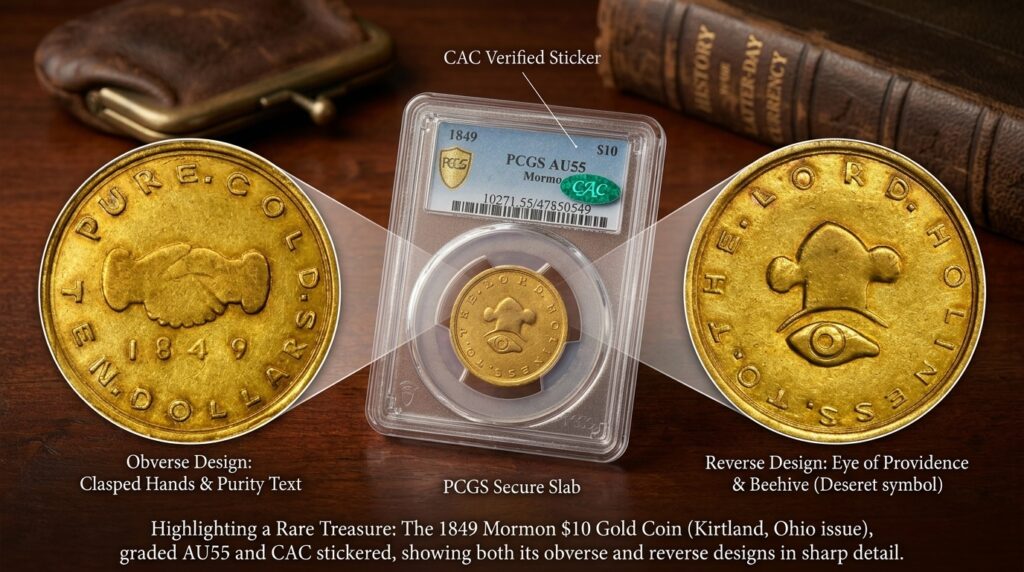
When you sit down with us, we don’t just briefly glance at your collection or blindly put it on a scale. We understand that many of these pieces represent lifetimes of passionate collecting or have been treasured in your family for generations. Our approach is entirely hands-on, educational, and fully transparent. We want to show you exactly what we look for when we price your rare items.
Step 1: Establishing the Foundation (Metal vs. Rarity)
Before evaluating the rarity of a coin, please remember: absolutely do not clean your coins. Cleaning ruins the original surface luster and permanently damages the collector value.
- The Silver Baseline: We start by identifying standard Constitutional Silver (or 90% Silver coinage minted before 1965) to calculate its baseline intrinsic value.
- Historic Gold: The same careful scrutiny applies to Pre-1933 U.S. Gold. A beautiful Saint-Gaudens Double Eagle or a classic Indian Head gold piece has an intrinsic value based on precious metal content, but its true market worth is heavily driven by its numismatic premium.
- Hunting for Treasure: We meticulously check for key dates, rare mint marks, and exceptional preservation that elevate a coin from basic metal value into a highly sought-after numismatic treasure.
Step 2: The Gold Standard of Grading
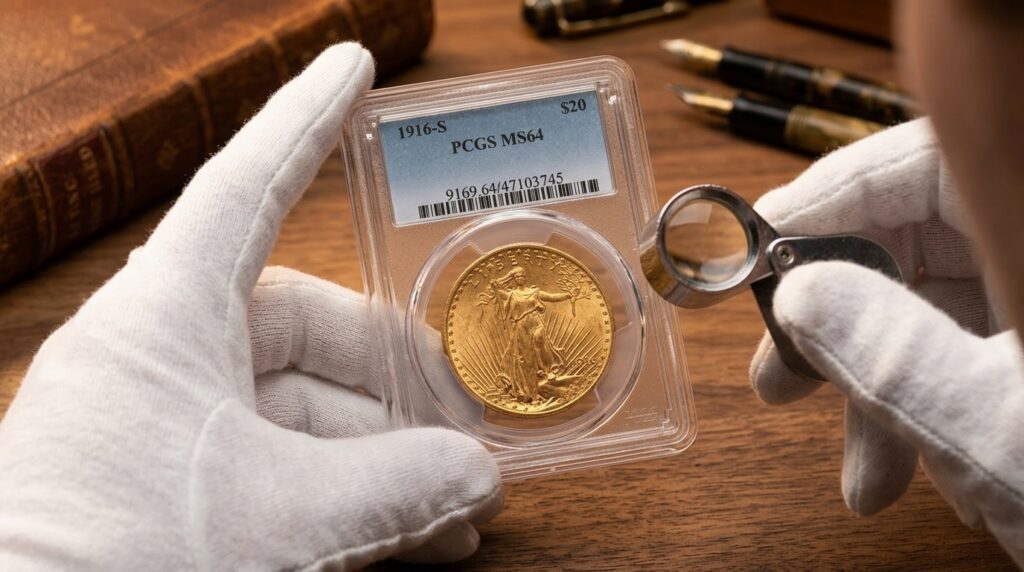
To ensure our offers are fair and reflective of the current national market, we strongly rely on industry-standard third-party certification.
- Certified Plastic: In the numismatic community, the triumvirate of PCGS, NGC, and CACG represents the absolute pinnacle of grading integrity. If your coins are “slabbed” by these authorities, we look closely at the “eye appeal” of the piece and current auction data to determine the most accurate price.
- Raw Coins: If your coins are “raw” (ungraded), we have the expertise to assess them against these very same stringent standards so you understand their potential certified value.
Step 3: World Coins & Foreign Precious Metals
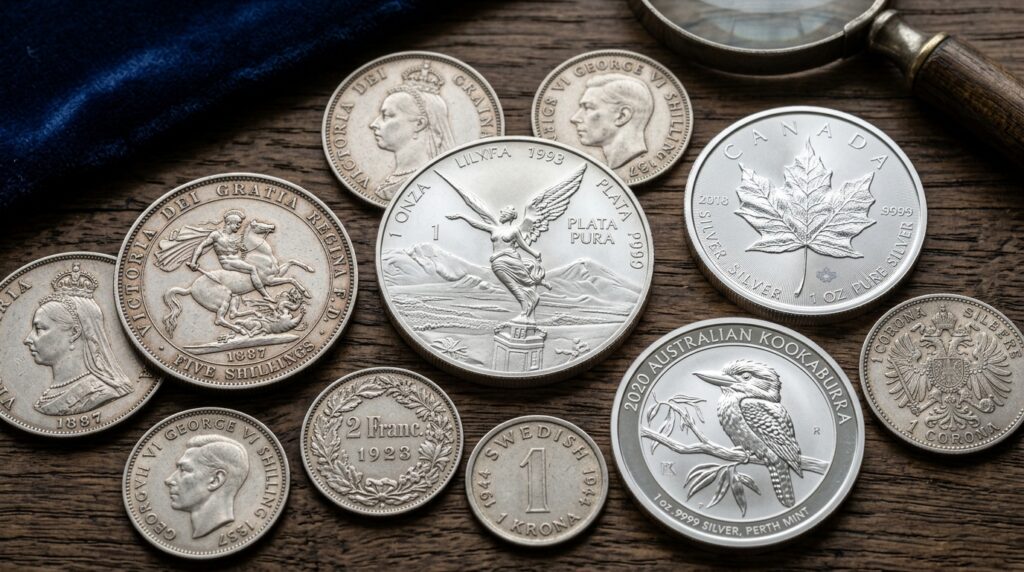
Our expertise does not stop at the U.S. border. We actively assess and price World Coins and foreign precious metals.
- The Americas & Australia: We evaluate gorgeous Mexican Libertads, beautifully struck Canadian silver dollars, and stunning Australian gold issues.
- Europe & Beyond: We possess the specialized knowledge required to appraise classic British Sovereigns, Sterling silver items, and fascinating older European fractional silver coins.
- Each country’s coinage comes with its own unique history, alloys, and collector base, all of which we factor into our transparent pricing process.
Ready to find out what your rare coins are worth?
Skip the guesswork and bring your collection in for a transparent, expert appraisal today.
Questions? We’re here to help!
How do you determine the value of Pre-1933 U.S. Gold coins?
We evaluate Pre-1933 U.S. Gold coins by initially examining their base intrinsic value, which is determined by the live precious metals market. We then add the appropriate numismatic premium by carefully assessing the coin’s date, mint mark, overall condition (grade), and the current level of collector demand nationwide.
What is the difference between intrinsic value and numismatic premium?
Intrinsic value refers to the exact market worth of the precious metal contained within the coin, such as the silver in 90% Constitutional coinage. The numismatic premium is the additional value derived from a coin’s historical significance, mintage rarity, exceptional condition, and desirability among serious collectors.
Do you purchase foreign silver and gold coins?
Yes, we certainly do. We actively evaluate and purchase a wide variety of foreign precious metals. This includes highly sought-after pieces like Mexican Libertads, British Sovereigns, Sterling silver items, Canadian silver dollars, Australian gold issues, and older European fractional silver coins.
Should I clean my coins before having them evaluated?
Absolutely not. Cleaning a coin removes its original surface luster and causes permanent micro-abrasions to the metal, which can drastically reduce its numismatic value and appeal to collectors. Always leave your coins exactly as they are—we prefer to see them in their authentic, uncleaned state.